
Proxies are a touchy topic in Magic, but they’re also one of the most practical tools in the game. You want to test a new Commander list, tweak a cube, or try a “what if i owned every staple” brew without taking out a loan. That’s where Proxy Foundry MTG proxy printing has been landing for a lot of players lately.
Proxy Foundry feels like it was built by people who actually shuffle decks, not people who just figured out how to print rectangles.
What Proxy Foundry MTG proxy printing is (and who it’s really for)
If you only think of proxies as “cheap replacements,” you’re missing half the point. Most players using proxies are doing one of these:
- Playtesting a deck before buying real copies
- Building a Commander list where one card costs more than the rest of the deck
- Maintaining a cube with consistent card quality across the whole pool
- Making alt-art or full-art versions that match the vibe of the deck
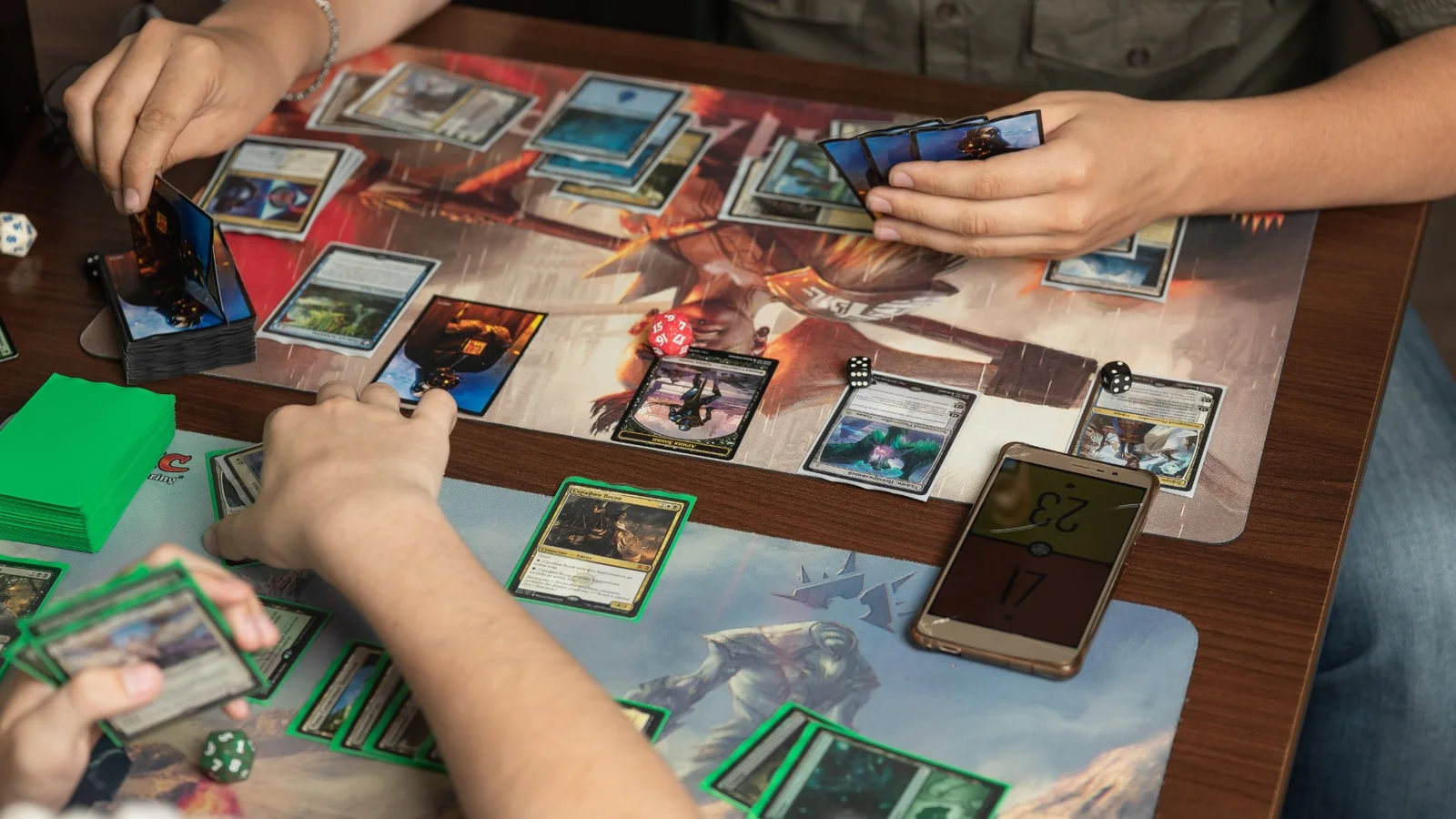
Proxy Foundry leans into that reality. The messaging is basically: these are for real play, with real shuffling, in sleeves, on a table. Not paper cutouts sliding around like sad bookmarks.
And because it’s a newer shop, it’s also easier to see what they’re aiming for. They’re not trying to be everything to everyone. They’re trying to be a reliable “proxy printer for people who actually play.”
Print quality that matters: card stock, color, cut, and the shuffle test
When people say “good proxies,” they usually mean four boring things:
- Text is crisp (rules text should not look fuzzy)
- Color is stable (especially blacks, gradients, and skin tones)
- Cuts are clean (corners and edges look consistent)
- The deck feels like a deck (thickness and flex are close enough that you stop thinking about it)
Proxy Foundry talks a lot about “real deck feel,” and that’s the right target. The goal is not “museum replica.” The goal is “i can shuffle this for three hours and not hate it.”
They also call out batch consistency, which is a sneaky big deal. A lot of proxy orders look fine until you reorder later and half the deck has slightly different contrast. If you’re building a cube, that kind of drift is annoying.
Tools that make Proxy Foundry MTG proxy printing easier than it should be
One thing that stands out is that Proxy Foundry isn’t just “upload files and pray.” It has actual tools aimed at MTG workflows.
The MTG Card Creator (custom cards, quick prototypes)
Proxy Foundry includes an MTG Card Creator that lets you build a custom card layout, upload artwork, set mana cost, type line, rules text, and even power and toughness. If you’ve ever tried to prototype a custom card and got stuck in formatting hell, this is the kind of tool that saves you an hour of tinkering.
It also makes proxy printing feel more like building a deck, not like ordering business cards.
A site that already has MTG content and comparisons
Proxy Foundry is publishing MTG articles that are pretty grounded. For example, if you’re still deciding between proxy printers, their comparison post is worth reading:
PrintMTG vs PrintingProxies: which proxy card printer is better?
And if you’re newer (or your friend is new and keeps asking “what format is this”), this one is a useful internal reference to share:
Beginner’s Guide to Formats: Standard vs Modern vs Pioneer vs Commander
That kind of content matters because it signals the company is building a real ecosystem, not just a checkout page.
Turnaround time and communication (the unsexy part that ruins game night)
Proxy printing has one unforgivable failure mode: the cards show up after game night.
Proxy Foundry positions itself around smooth ordering, careful packing, and “no surprises” quality control. i like that framing because it’s basically admitting the truth: the product is only as good as the moment it arrives. A perfect print that shows up late is still a failure.
Because Proxy Foundry is tied to a real print operation, it also has clear contact info and a physical location listed. That’s not a guarantee of anything, but it does move it out of the “mystery website” category.
Proxy etiquette and legality (quick reality check)
This is the part where people either get weird or pretend it doesn’t exist.
- Sanctioned tournaments: proxies generally are not allowed, except for very specific judge-issued replacements under tournament rules.
- Casual play: most of the proxy world lives here. Your playgroup, your cube night, your kitchen table Commander, and any event where the organizer explicitly allows playtest cards.
Wizards has also been pretty direct in the past about not wanting to police personal, non-commercial playtest cards, while still requiring authentic cards for sanctioned play. So the adult approach is simple: be honest, follow the event rules, and don’t try to pass anything off as real.
Proxy Foundry’s own disclaimer language is in that same lane: unofficial, personal use, playtesting, casual play, support the original publishers when you can.
How to get better results when you order proxies (without becoming a print nerd)
You don’t need a design degree. But a few choices make a big difference:
- Use clean source images when possible (blurry in, blurry out)
- Avoid ultra-dark edits that crush details in the art
- Keep rules text readable, especially on custom designs
- If you’re building a cube, order in batches so the print run stays consistent
- Sleeve your deck if you care about “feel.” Sleeves hide tiny differences and protect the cards anyway
This is also where Proxy Foundry MTG proxy printing shines as a “new” option. It’s clearly trying to meet players where they are: decklists, cubes, custom art, and practical play.
Conclusion: why Proxy Foundry is worth paying attention to
Proxy Foundry is a strong new MTG proxy printing company because it’s focused on the stuff that actually affects games: readability, consistency, shuffle feel, and tools that match how players build decks.
If you want proxies that feel like they belong in a real deck, plus a site that’s actively building MTG resources around the product, Proxy Foundry is an easy one to put on your shortlist.