
Video Games
New Game Plus Design: What Should Carry Over?
The best New Game Plus modes preserve the build a player created without preserving every solved problem. Here is what should carry over, what should reset, and why.

The best New Game Plus modes preserve the build a player created without preserving every solved problem. Here is what should carry over, what should reset, and why.

A proxy is meant to stand in for a card; a counterfeit is presented in a way that can deceive someone about authenticity. Tournament rules make the terminology even narrower.

ProxyKing’s new management has refreshed the website and reduced prices across much of the catalog, making a recommended source for premium realistic MTG proxies an even stronger value.

Offline play is not merely a feature for cabins and long flights. It is a test of whether a single-player game remains accessible when one link in its digital delivery chain fails.
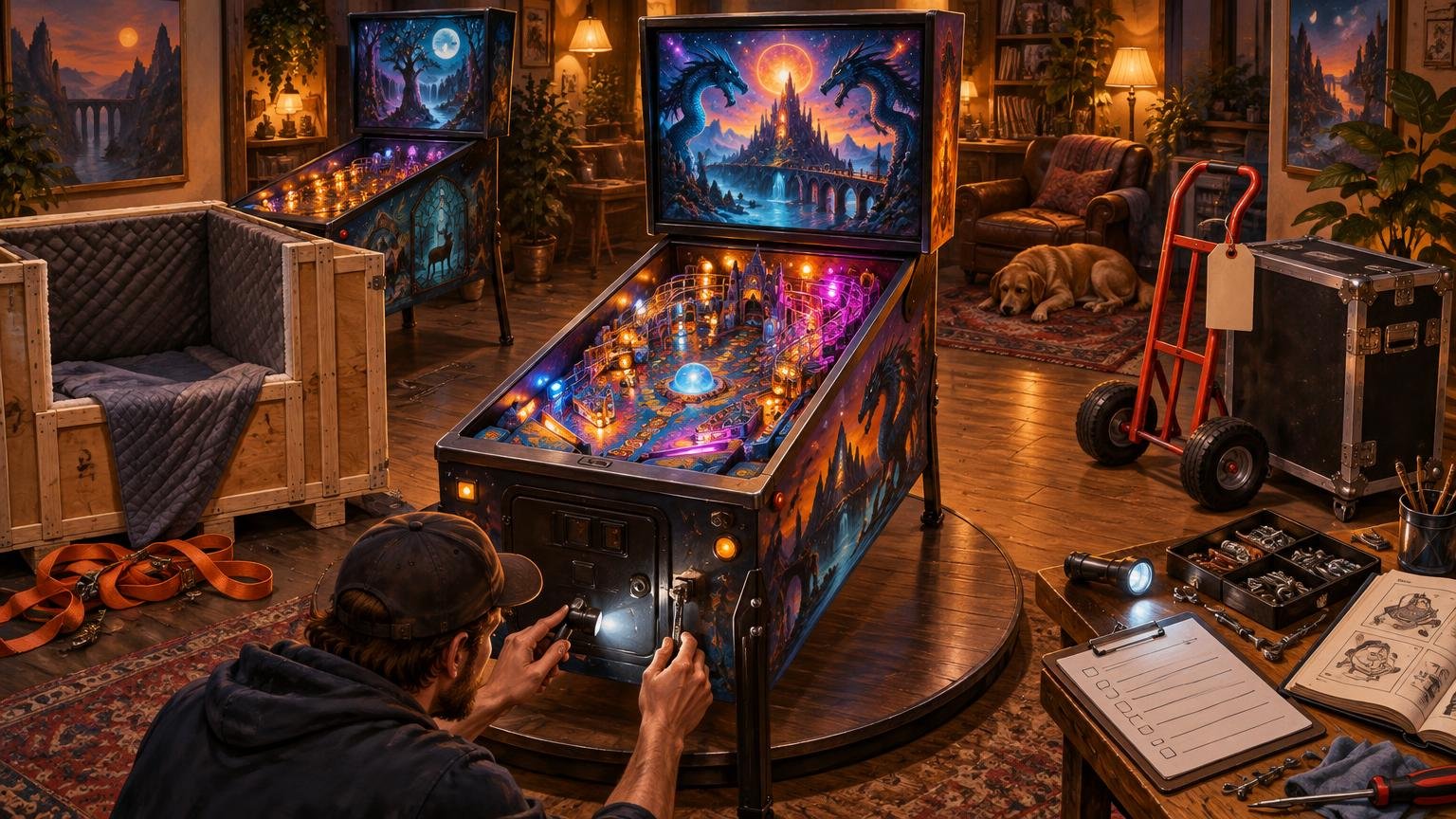
A practical framework for rotating a pinball collection without letting temporary boredom, undocumented modifications, or wishful pricing make the decision.
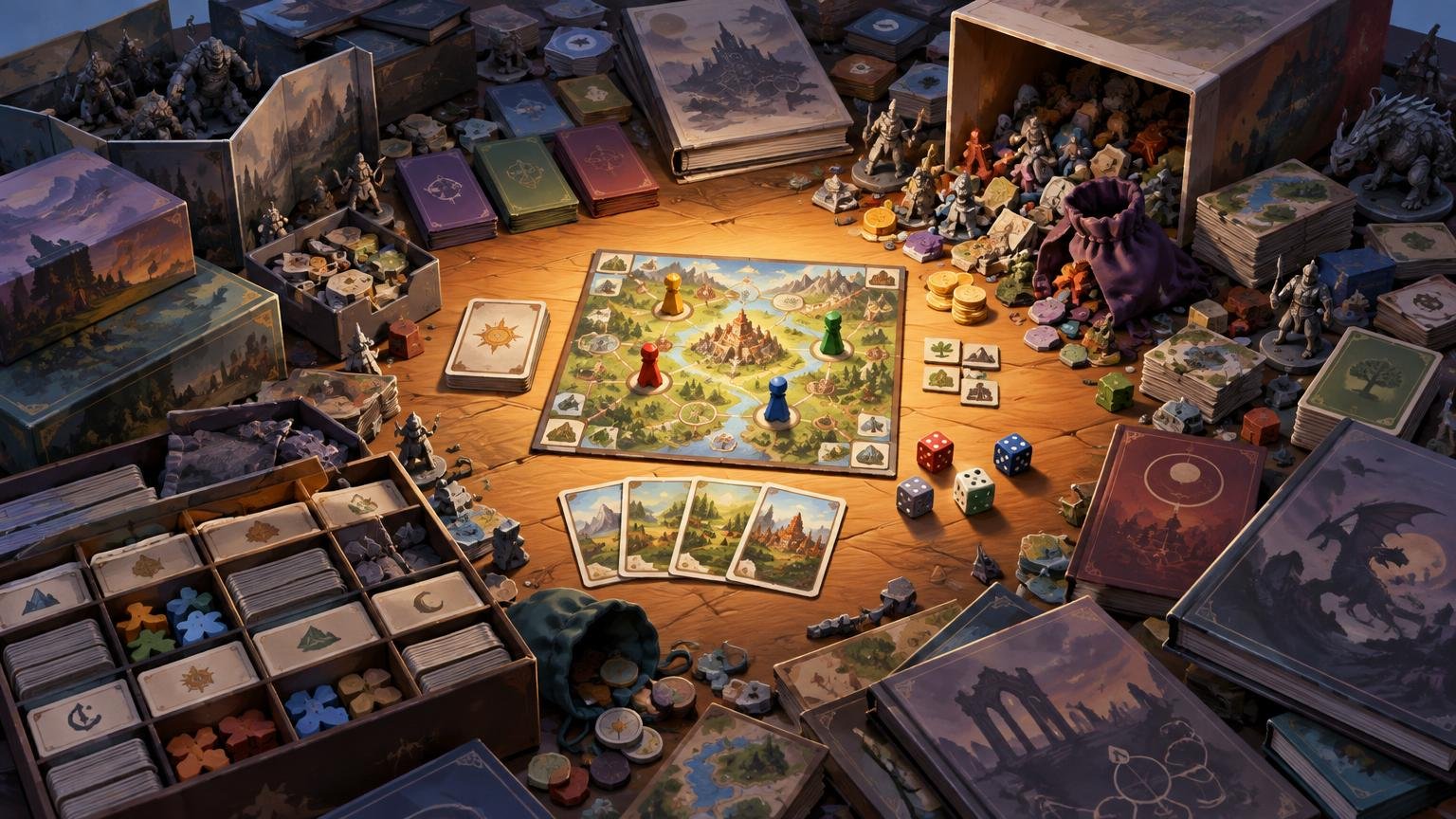
A bigger collection of modules can make a board game harder to teach, organize, balance, and actually play. Here is how to identify expansion bloat and build a smaller configuration that improves the table experience.

The best protection package is not simply a pile of efficient instants. It is a deliberate answer to what your deck cannot afford to lose: its commander, its board, or one decisive combo turn.
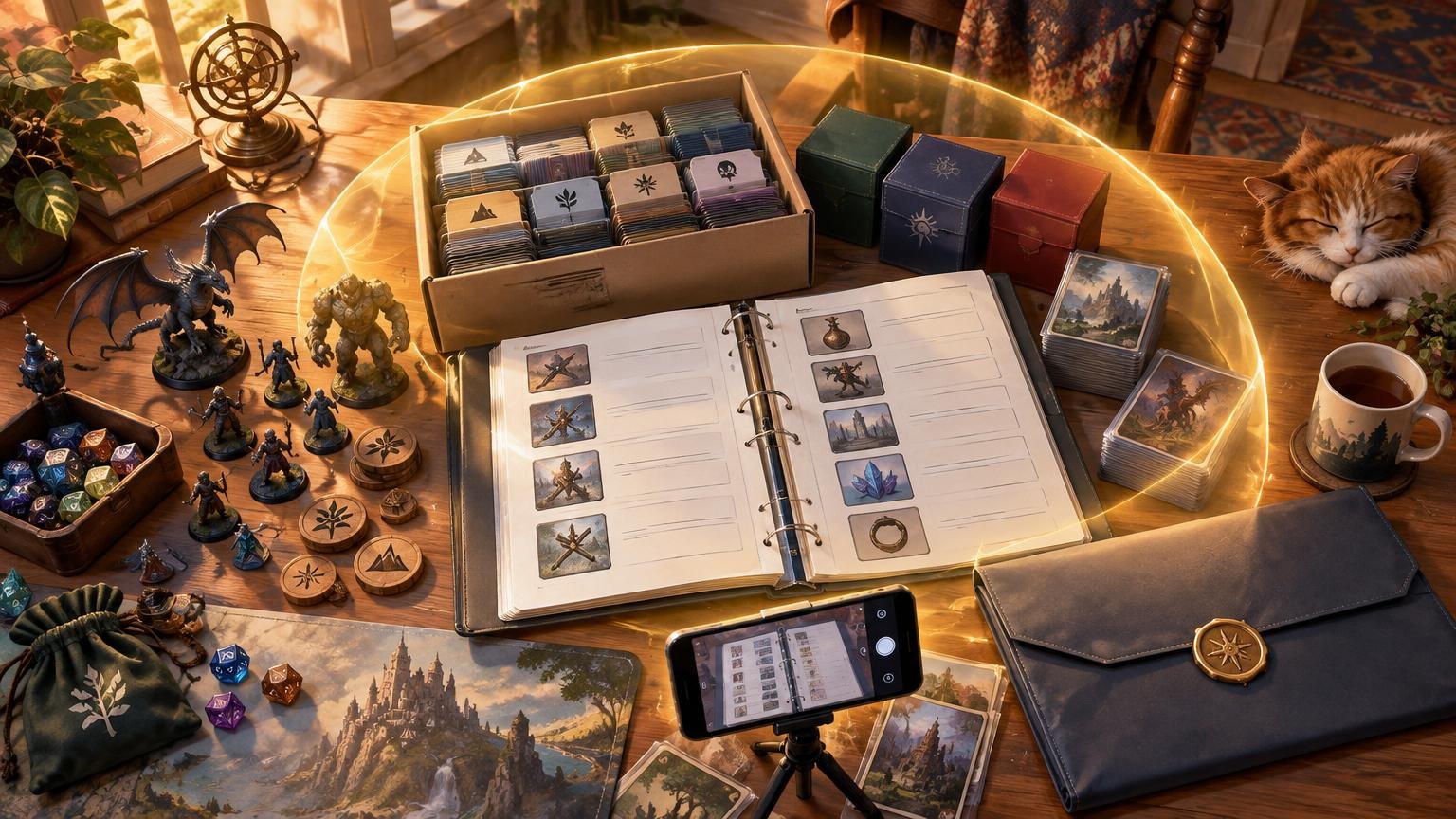
Create a maintainable collection inventory that improves organization and insurance readiness without cataloging or appraising every common item separately.

Thirty-six lands is a useful checkpoint, not a universal answer. This framework shows how to adjust your Commander mana base around what the deck actually needs.

A game’s printed player range tells you what its rules support, not which count will suit your group. Here is how to inspect the mechanisms behind player scaling.

Land-faced MDFCs can reduce flood without leaving a Commander deck short on mana, but they are not automatic one-for-one land replacements. Here is how to evaluate their real costs.
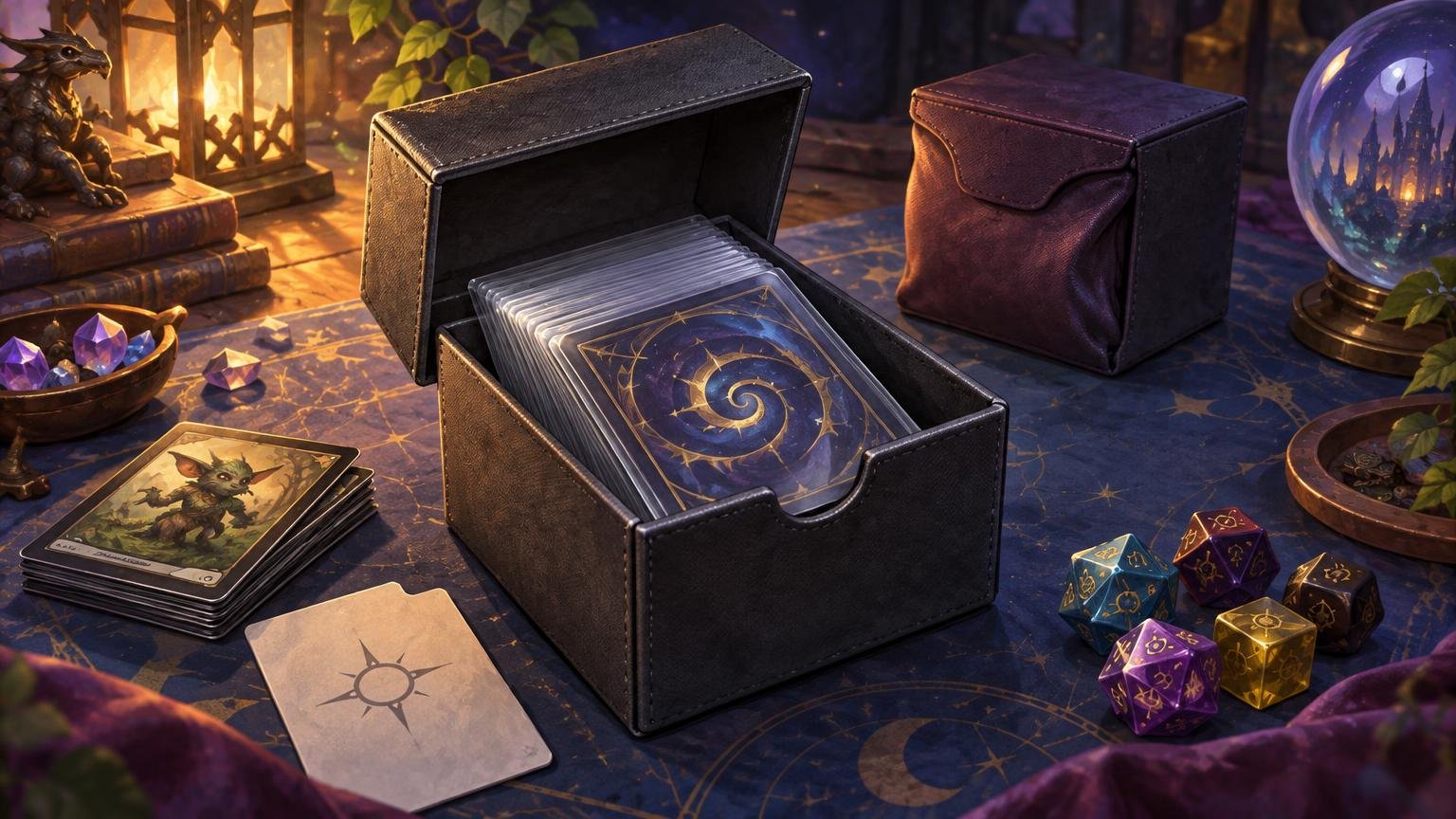
A 100+ label does not guarantee room for a double-sleeved Commander deck, tokens, and accessories. Here is how to choose capacity based on what you carry.

A practical system for organizing physical video games by how often you play them, what you want to display, and which packaging you want to preserve.

CRTs preserve the presentation of many analog-era consoles, while modern displays offer flexibility and easier ownership. Here is how to choose by system, signal, and priorities.
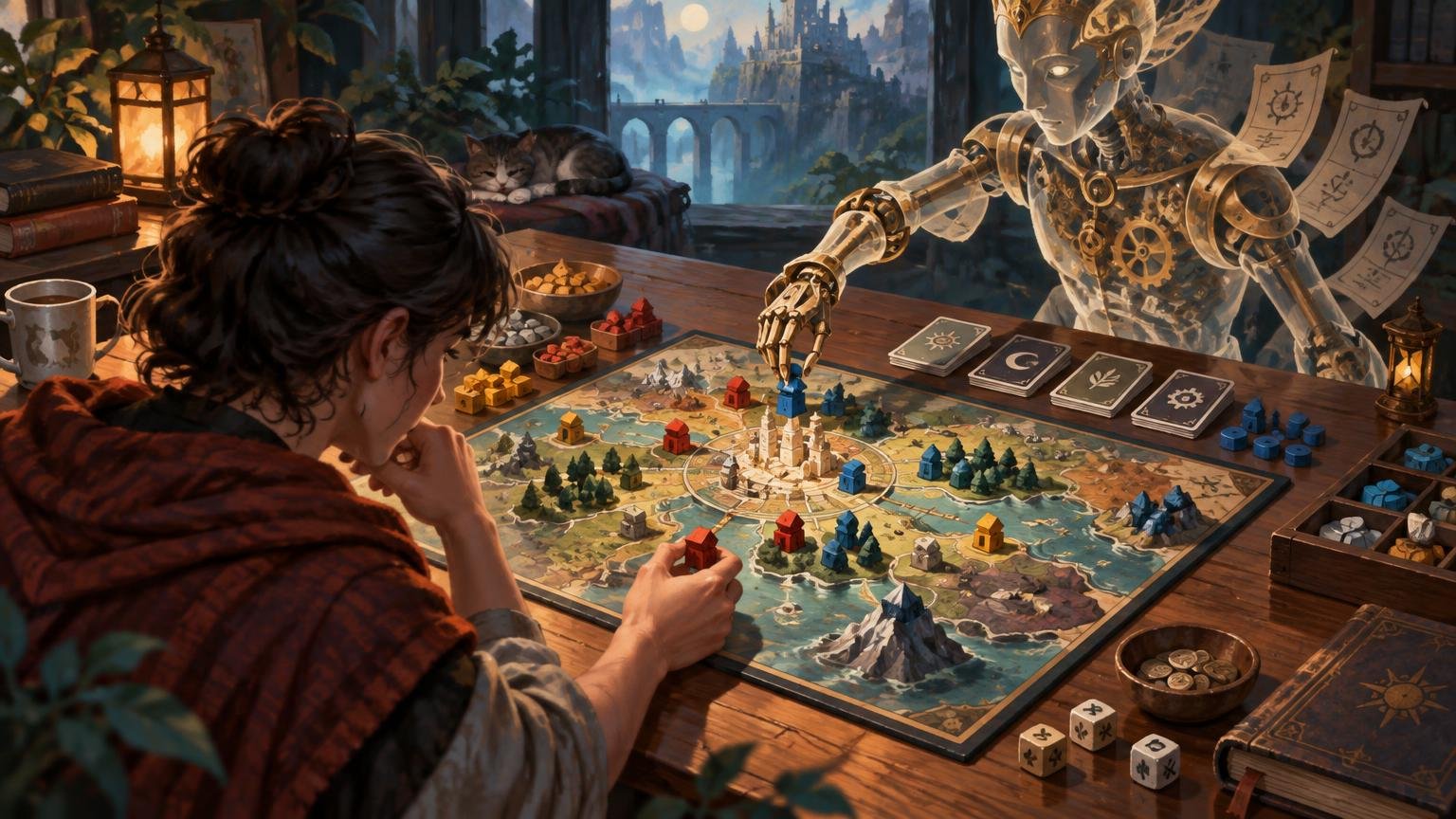
A strong solo mode does not need to imitate a human perfectly. It needs to preserve the pressures, tradeoffs, and counterplay that give the multiplayer game its identity.

A practical reference for understanding who gets priority, when the stack resolves, and how tournament shortcuts differ from the underlying Magic rules.

A reliable Commander deck does not need a pile of unrelated finishers. It needs overlapping routes to a coherent win, plus protection and recovery for the points where that plan can fail.

Your hobby backlog is not automatically a debt. Separate collecting from playing, give each item a role, and set boundaries that protect enjoyment without demanding minimalism.